Most Christians love Paul’s letters—and rightly so. But here’s the uncomfortable truth: you can’t fully understand Paul unless you understand what he understood. Paul didn’t have a New Testament. He wasn’t quoting Galatians or Romans. His Bible was the Torah, the Prophets, and the Writings.
If a believer wants to grasp Paul’s arguments, his metaphors, his theology, and even his frustrations, the starting point isn’t Paul. It’s the Scriptures Paul read every day of his life.
1. Paul assumes his readers know TorahPaul doesn’t stop to explain Torah concepts because he expects his audience—Jew and Gentile alike—to already be learning them in synagogue (Acts 15:21). When he talks about covenants, sacrifices, righteousness, circumcision, adoption, priesthood, or even “the law of sin and death,” he’s drawing from a world shaped by Torah. Without that foundation, Christians end up filling in the gaps with modern assumptions—and that’s where misunderstandings begin.
2. Paul’s letters are not universal sermons
This is the part most Christians never hear: Paul’s letters are not systematic theology textbooks. They’re not even general sermons. They are one-way responses to specific leadership teams dealing with specific problems in specific congregations. We’re reading someone else’s mail. Corinth had issues. Galatia had issues. Thessalonica had issues. Paul wasn’t writing “Christian doctrine for all time.” He was writing pastoral correction to communities he knew intimately.
When we treat his letters as universal declarations instead of targeted responses, we flatten his message and miss the nuance.
3. Torah gives Paul’s words their shape
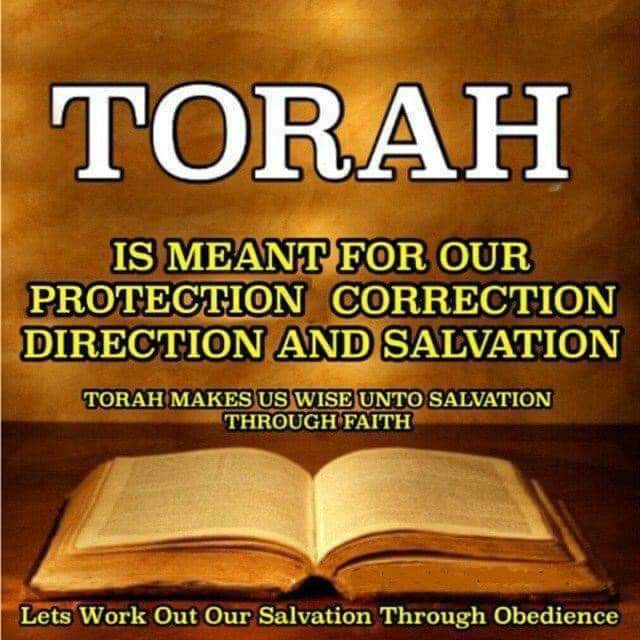
Paul never abandoned Torah. He never taught against it. He never imagined a Torah‑less faith. His entire worldview—his ethics, his definitions of sin, his understanding of Messiah—comes straight from the Torah. Learning Torah doesn’t make someone “Jewish.” It makes them biblically literate in the same Scriptures Jesus and Paul taught from.
4. Torah study protects Christians from generalizing Paul
When believers don’t know Torah, they tend to universalize Paul’s situational advice. Suddenly:- A correction to Corinth becomes a doctrine for all churches – A rebuke to Galatia becomes a theology of lawlessness – A pastoral instruction becomes a new religion Torah grounds the reader. It keeps Paul in context. It keeps Jesus at the center. And it prevents Christianity from drifting into interpretations Paul himself would never recognize.
#TorahStudy, #PaulineContext, #HebraicRoots, #BiblicalLiteracy, #ContextMatters, #MessianicFaith, #ScriptureInContext, #FirstCenturyFaith, #KnowPaulKnowTorah, #FaithAndReason, #ChristianReflection, #KingdomUnderstanding,

 Chavurat Derekh HaMashiach